Understanding K and R-Selected Species and Their Survivorship Curves
ENVIRONMENTAL ISSUES
Danny Xu
4/6/20262 min read
Introduction to K and R-Selected Species
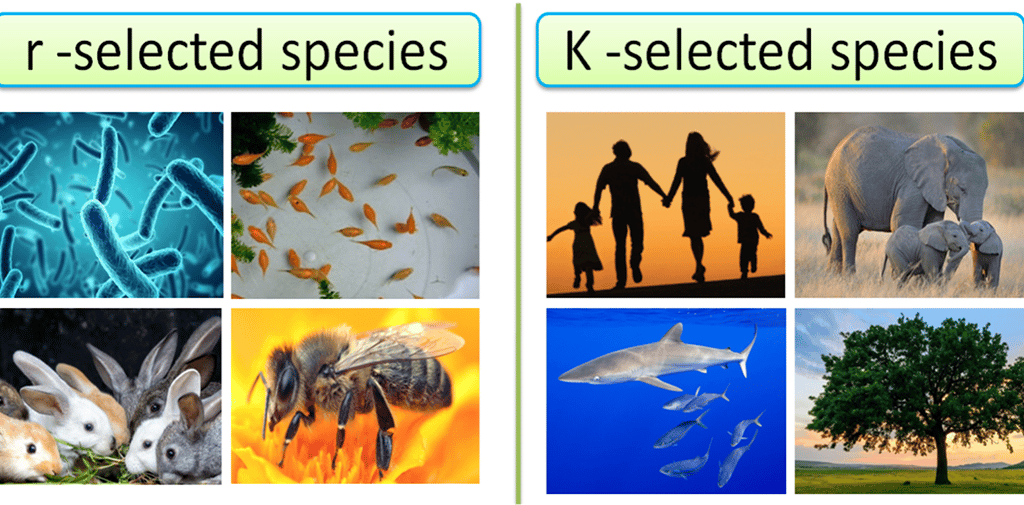
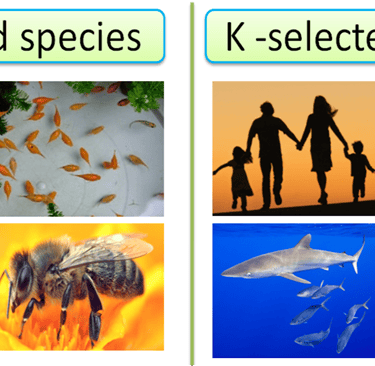
In the realm of ecology, the concepts of K-selection and R-selection serve as crucial frameworks for understanding how species adapt to their environments. K-selected species, characterized by slower reproduction rates and larger offspring, often thrive in stable environments where competition is high. K-selected species also spend a lot of time caring for their young. In contrast, R-selected species reproduce rapidly, producing numerous offspring with less investment in each. This strategic differentiation in reproductive strategies profoundly influences their survival and population dynamics. An example of a K-selected species would be humans because we tend to live longer compared to R-selected species, humans have low birth rates, and parents typically spend 18 years taking care of their young. However, animals like bees give birth to thousands, have low parental care, and much shorter lifespans compared to humans, making them a R-selected species.
Exploring Survivorship Curves
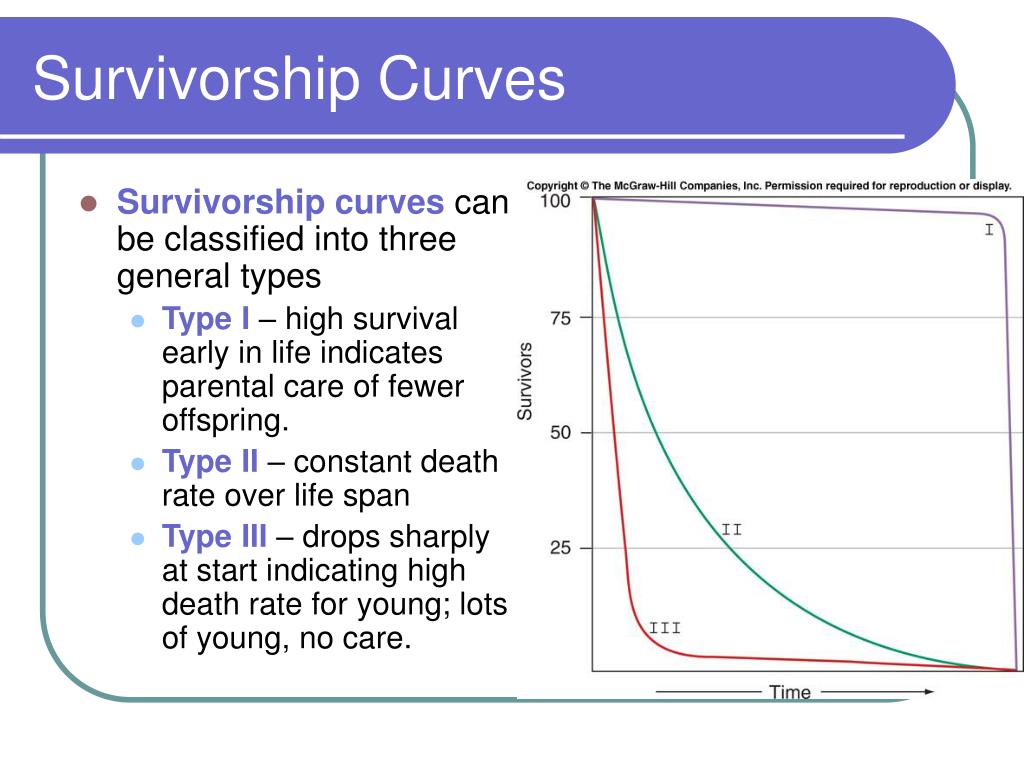
Survivorship curves represent the age distribution of populations and their mortality rates. These curves come in three main types:
Type I: This curve, typical of K-selected species, shows high survival rates during early and middle life stages, with mortality increasing significantly in older age groups.
Type II: Found in many species, this curve depicts a constant mortality rate throughout life.
Type III: R-selected species often exhibit this curve, characterized by high mortality rates in early life stages, but those that survive tend to live longer.
The following graphic illustrates the three types of survivorship curves:
As seen in the diagram, K-selected species like elephants and humans demonstrate Type I curves, while R-selected species such as sea turtles and dandelions display Type III curves. Understanding these curves is essential for ecologists to develop conservation strategies and predict population trends.
Conclusion
In conclusion, the differentiation between K and R-selected species and their associated survivorship curves offers significant insights into ecological dynamics. These concepts not only enhance our understanding of population ecology but also aid in biodiversity conservation efforts. The balance between K and R strategies exemplifies the complexity of life and adaptation in our ecosystems. For a deeper understanding, here’s an additional visual representation of the survivorship curves:
Studying these ecological patterns can enrich our appreciation for the natural world and the delicate interplay of life it encompasses.