
Understanding Cats Behavior and Relationships
Explore the fascinating relationship between humans and cats. Learn how curiosity and hunger shaped the bond we share with these independent creatures, and discover insights into cat behavior and their calm approach to life.
ENVIRONMENTAL ISSUES
Danny Xu
3/6/20262 min read
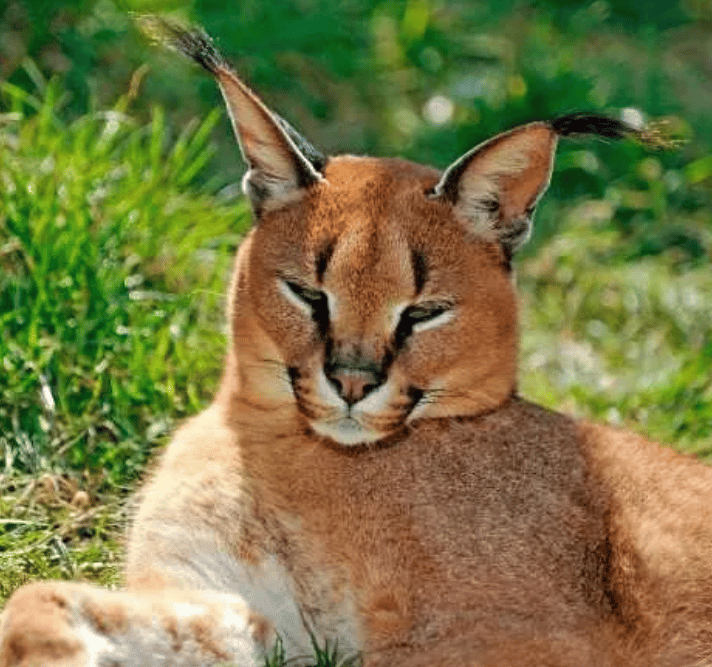
Certainly not shaped by human direction, cats entered homes through subtle steps. Instead of training them, people simply allowed their presence. Curiosity pulled them close; hunger guided their timing. A shared advantage grew without force or command. Independence remains, unsurprisingly, intact. Their calm approach changed the relationship quietly.
Long before modern households, small wildcats roamed arid regions across North Africa and the Near East. With the rise of agriculture roughly a decade of millennia past, people gathered surplus crops in one place. Where grain piled high, creatures like mice found shelter and sustenance. In response, sharp-eyed hunters - wildcats - followed the trail of prey toward human huts. Over time, those felines showing little alarm at human presence gained advantage, lingering near dwellings where meals waited.
A bond grew gradually between two species. Thanks to feline presence, agricultural threats declined alongside risks of illness transmission; in return, these animals gained consistent nourishment along with sheltered habitats. Domestication patterns differed here compared to others under human care. Without deliberate selection early on, peaceful dispositions simply proved more successful around settlements; such characteristics became common through quiet inheritance across offspring. Later generations carried forward what earlier ones had quietly favored.
Certain ancient cultures placed high value on cats, particularly during Egypt's early history. Their ability to catch prey impressed people greatly, along with how they carried themselves. Found within households, shown in paintings, tied also to divine figures and safety. Injury toward one of these animals counted as deeply wrong, deepening ties across species lines slowly. Reverence like this moved them far, following human paths where goods changed hands and journeys unfolded.
Even though tamed, felines carry behaviors rooted in ancient lineage. Hunting ability persists, quiet time appeals, interaction happens on their terms. Independence marks them differently than canines, a distinction frequently noted. Instincts survived domestic life - not removed, merely adjusted. Coexistence became possible because sharp edges of survival were gently rounded.
It might surprise some to learn that felines joined human homes far more recently compared to canines, evolving at a slower pace. Their DNA today remains close to that of ancient wildcats - this closeness shows in behaviors such as sudden dashes after faint movements, quiet pursuit of play items, or extended rest periods resembling those seen in untamed ancestors.
Across the world today, felines reside within human households. Yet ancient patterns show these animals have always acted independently. Rather than being shaped by human will, they adapted through mutual tolerance. Co-living emerged not from dominance, but quiet agreement. What stands out is how their self-reliance blends with moments of closeness. Independence remains central to who they are.
Sources: https://www.alleycat.org/resources/the-natural-history-of-the-cat/
https://www.nationalgeographic.com/animals/article/when-did-cats-become-domesticated
https://www.smithsonianmag.com/history/a-brief-history-of-house-cats-158390681/
https://edition.cnn.com/2025/11/28/science/domestic-cats-origins-ancient-dna