Understanding the Hazards of Chemical Pollution
Chemical pollution is a silent yet dangerous form of environmental pollution. It involves harmful chemicals released into ecosystems, often going unnoticed. Learn about its sources and impacts on human health and the environment.
ENVIRONMENTAL ISSUES
Danny Xu
12/26/20253 min read
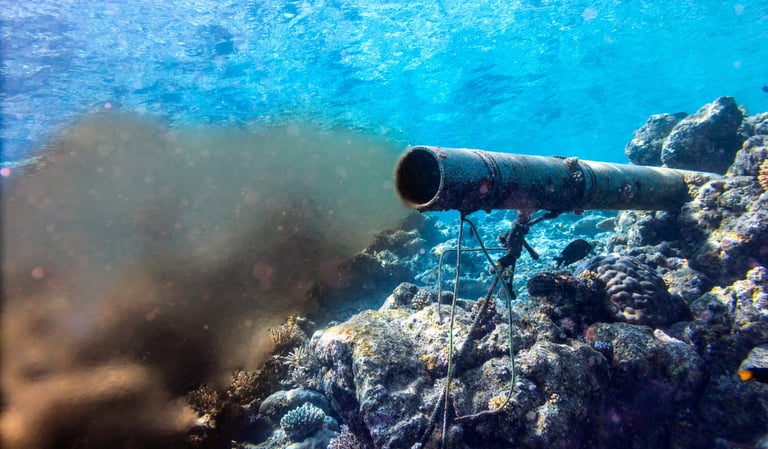
Although it is less visible than other forms of pollution, chemical pollution is among the most hazardous. When thinking of pollution, it is often easy to associate it with dirty fogs of air and plastic in the ocean. However, chemical pollution can spread undetected to the naked eye. This is because chemicals can be challenging to detect: they may be invisible or odorless, thereby complicating detection. Understanding the severity of chemical pollution is essential for protecting ecosystems and preserving human health.
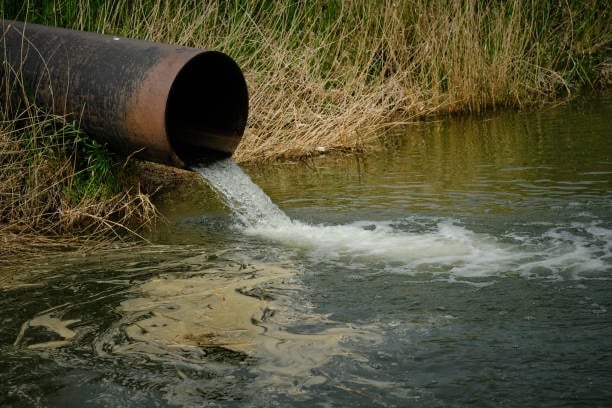
Chemical pollution occurs when harmful substances are released into the environment in quantities that nature cannot safely absorb. These substances can originate from a wide range of sources, including industrial activities, agriculture, and energy production. Factories can discharge chemical waste into water bodies, such as rivers, and generate air pollution. Agriculture relies heavily on pesticides and fertilizers, which often leach into adjacent aquatic ecosystems, contaminating them. Many other types of harmful chemicals result from human activity. Still, because they are not native to the environment, many persist for extended periods and cannot be degraded naturally.
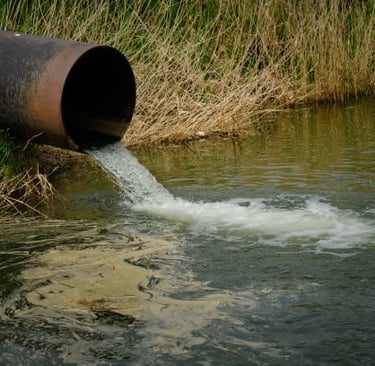
How Chemical Pollution Spreads and its harmful impact
Due to their small size, chemicals are easily transported from one area to another. Rainfall can generate small runoff flows that transport pollutants from land into streams, rivers, and oceans. Air pollution can be transported over greater distances by intense winds, affecting more regions. Chemicals can seep into groundwater, which plants absorb through their roots, and some humans also use. Toxic substances can readily kill plants and animals, especially when they lack immunity, which most organisms lack. Dangerous chemicals can also harm an animal's growth, reproduction, and immune system. Disruptions to an animal population's well-being negatively affect all the animals in that habitat. For example, sea otters feed on sea urchins, which graze on kelp. When sea otters in a habitat are healthy in terms of population number, the amount of sea urchins is also kept under control, which helps kelp forests thrive. However, if sea otter populations declined, the sea urchin population would eat kelp faster than it could grow, destroying one of the world's most biodiverse ecosystems. Many fish and other animals rely on the food or shelter from these forests, so losing them would affect all the animals that use kelp forests in their daily lives. The food chain is built upon a system of checks and balances, where any disturbance to this balance can result in the collapse of the whole food chain of a habitat. It's similar to dominoes; once one falls, it knocks the other over, and the cycle continues. There are different ways in which other animals can be affected when one population is exposed to chemical substances. Bioaccumulation is the process by which chemicals build up inside the bodies of living organisms. When predators consume prey, including humans, that have accumulated harmful substances in their bodies, they are also exposed to these chemicals, which can spread the chemicals further throughout the food chain and affect the health of the predators.
The Difficuluty in Combatting the Issue
As noted, many chemicals do not degrade and instead persist in soil, sediment, and water for many years. This long lifespan means that even if the source of pollution is stopped, the chemicals persist and continue to pose risks in the future. The process for removing chemicals is also markedly different and more complex than simply picking up trash on land. Eliminating chemicals from soil and water is costly and requires experts. With the increasing chemical pollution from industrialization, it is difficult to reverse the damage already caused. Lastly, as previously stated, chemicals can move freely and will not remain in the location where they were initially formed. This makes effective clean-ups very difficult. However, given the severity of chemical pollution, people need to be more mindful of how chemicals are disposed of and of the quantities of chemicals they produce and carelessly release into the environment.