
Hawaii's Environment
ENVIRONMENTAL ISSUES
Danny Xu
1/23/20262 min read
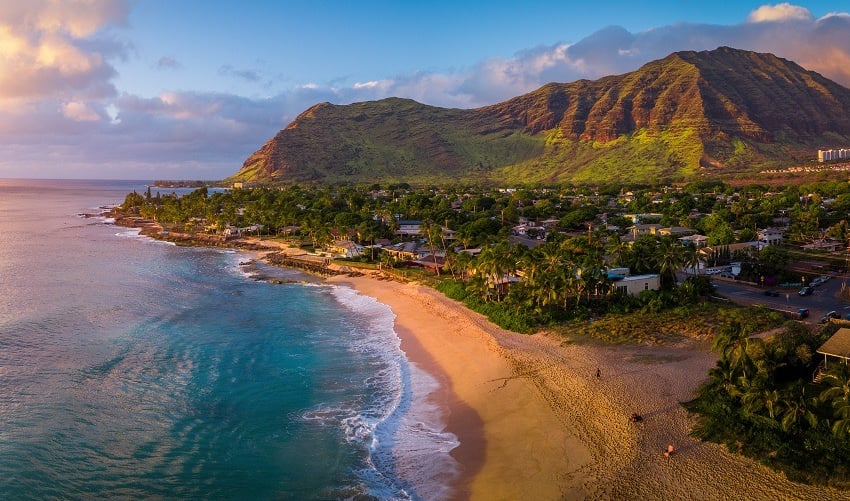
Midway across the Pacific, Hawaii rises with natural systems unlike any elsewhere. Its separation has led to life forms absent beyond these shores. Lush forests grow beside active lava fields. Coral teems near plunging sea floors. Beauty marks this place, yet so does vulnerability. Rare conditions shape what lives here.
A remarkable aspect of Hawaii's terrain begins with fire beneath the sea. Over countless ages, eruptions built up peaks from molten rock rising through ocean depths. Islands emerged slowly, shaped by relentless flows hardening into jagged plains. On the largest island now, heat still escapes through cracks where new lava adds ground each year. Such forces do more than sculpt cliffs and coastlines - they leave behind earth deep in nutrients. From these dark foundations grow thick woods full of species found nowhere else.
Found only in Hawaii, countless land-based life forms developed far from other lands. Isolation shaped evolution here, leading to adaptations precise to narrow surroundings. Among forest layers grow rare blossoms, uncommon trunks, winged creatures tuned to subtle shifts. Such distinctiveness carries risk alongside wonder. Outside arrivals, brought unknowingly, now disrupt balance once held steady. These outsiders dominate spaces where original dwellers fade.
Surrounding waters hold significance matching that of terrestrial habitats in Hawaii. Fringing each island, coral structures offer refuge as well as sustenance to a vast array of aquatic life - fish, sea turtles, even monk seals find what they need there. With steady waves comes protection; these formations buffer shorelines against wear brought on by currents. Their presence quietly supports livelihoods tied to both fishing activities and visitor-related services. Yet growing warmth in seawater now pushes stress onto reef systems already burdened by contaminants and excessive human activity. When water climbs too high in temperature, corals expel vital algae - the result shows as pale skeletons where color once thrived.
Across Hawaii, weather systems define how nature arranges itself. Moisture arrives on steady breezes, feeding lush landscapes along eastern slopes, whereas western zones receive less, staying arid by comparison. Because of such contrasts, diverse habitats - like dense forests and open desert-like regions - appear close together. Shifts in global conditions now disturb this balance. Higher oceans creep toward shorelines; at once, irregular precipitation raises chances for extended dry spells, uncontrolled burns, or sudden water surges.
Activity by people has altered the landscape of Hawaii in notable ways. Although tourism supports much of the region's financial system, it creates demands on essential supplies such as freshwater, terrain, and delicate habitats. Construction near shorelines risks harming coral systems and sandy shores; excessive visitor numbers may weaken protective measures. Yet within this context, groups rooted in native areas pursue safeguards for nature via preservation initiatives, thoughtful travel models, because ancient stewardship customs focused on harmony with surroundings still guide some decisions today.
Among island traditions, nature holds lasting weight - shaped by generations, tied to daily life. Ecosystems there do more than exist; they reflect ways of knowing, living, belonging. When landscapes change, culture shifts, often without notice. Human influence has left marks, some subtle, others impossible to ignore. Yet in community efforts, quiet choices, rooted practices, restoration becomes possible. What happens on these islands echoes beyond their shores, offering insight into balance, loss, renewal.