
Sea Turtles: Guardians of Ocean Waters
Discover the incredible journey of sea turtles, vital to marine life for over a hundred million years. Learn about their role in shaping underwater environments and the growing threats they face today.
ENVIRONMENTAL ISSUES
Danny Xu
1/9/20262 min read
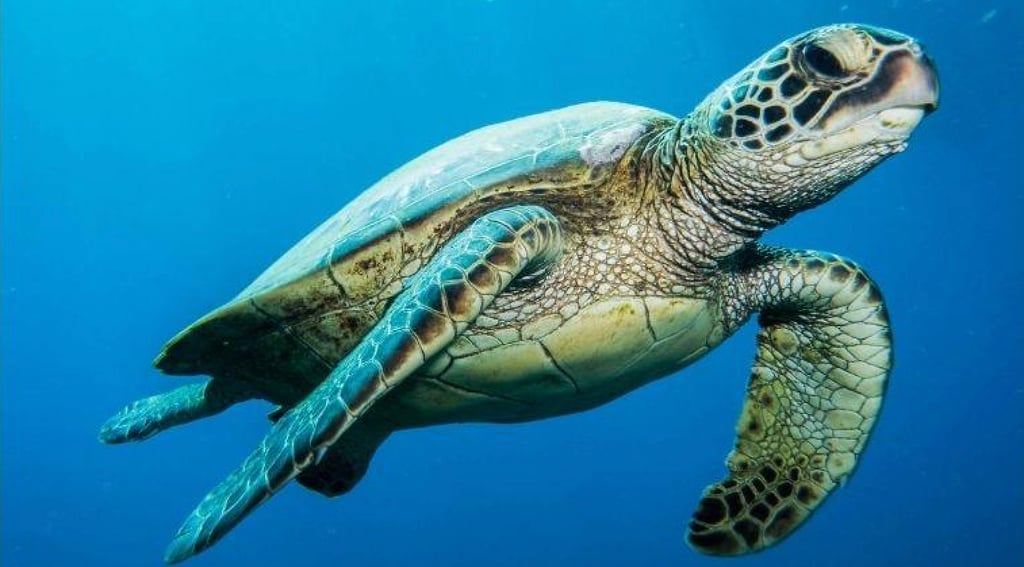
For more than a hundred million years, sea turtles have moved across ocean waters. Well prior to human presence, they shaped balanced underwater environments. Now, their future grows less certain due to growing dangers.
Traveling vast distances defines the lives of sea turtles, moving across oceans from feeding areas to coastal nesting sites. From great spans away, females find their way back to natal shores, drawn by cues still not fully understood. Nests take shape under dark skies, scraped into warm sand where clusters of eggs - sometimes exceeding one hundred - are left beneath the surface. Two months pass before tiny forms break free, crawling toward seawater under cover of night. Light along the edge of waves pulls them forward, though many never reach deeper water. Survival is rare; few live past youth. Preserving these sandy starting points becomes necessary when so little endure.
When green sea turtles eat seagrass, they stop it from spreading too far; because of this, the grass remains strong. Seagrass areas then support various ocean animals due to their improved condition. Feeding on sponges is what hawksbill turtles do, which gives coral space to develop properly. Since these reptiles control sponge numbers, reefs remain diverse and stable. Ocean systems may shift dramatically if such turtles disappear entirely. As a result, entire food chains face possible disruption over time.
Even though they matter greatly, sea turtles face harm from actions taken by people. Notably, plastic waste stands out because animals take floating bags for food like jellyfish - this causes internal damage or fatality. Instead of targeting them directly, fishing operations still pull turtles into gear meant for fish. Construction near shorelines alters natural habitats where females lay eggs. When young emerge at night, city lights confuse their path, drawing them inland instead of toward water. Warming linked to shifting climate patterns influences how eggs grow, sometimes changing which gender develops inside.
Worldwide actions aim to safeguard sea turtles alongside their living environments. Protection unfolds through guarded coastlines, care stations for injured animals, modified fishing gear, or community learning initiatives. Certain areas report growing numbers, suggesting such work brings results under steady backing.
Not merely graceful swimmers, sea turtles reflect how well oceans function. Their survival often signals broader environmental balance. When people limit waste, one outcome is safer habitats for these creatures. Support for preservation programs contributes to long-term stability. Awareness spreads quietly, yet it shapes attitudes over time. Future seas may still hold nesting patterns unchanged, given steady care today.