
Swamps
ENVIRONMENTAL ISSUES
Danny Xu
12/12/20253 min read
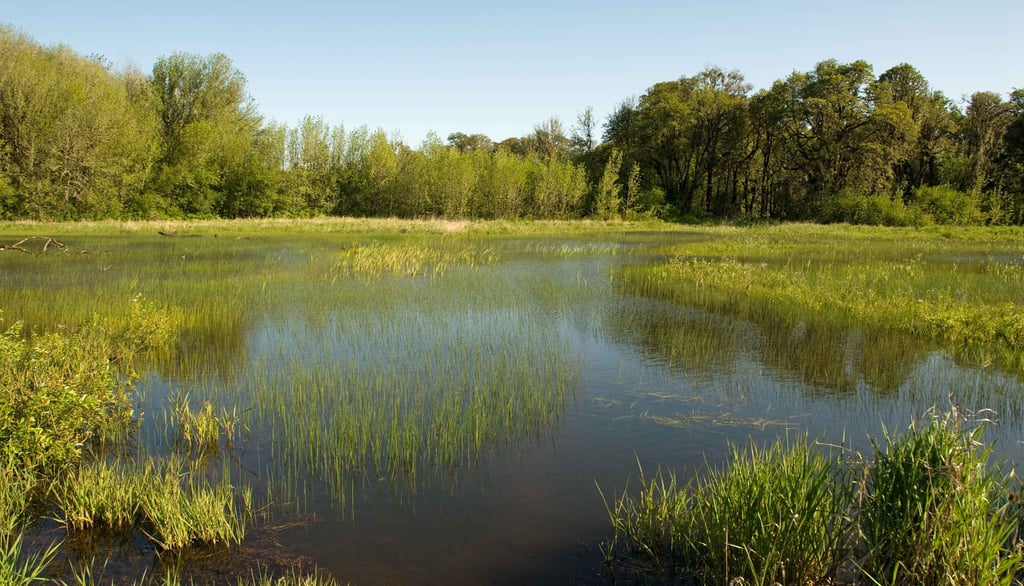
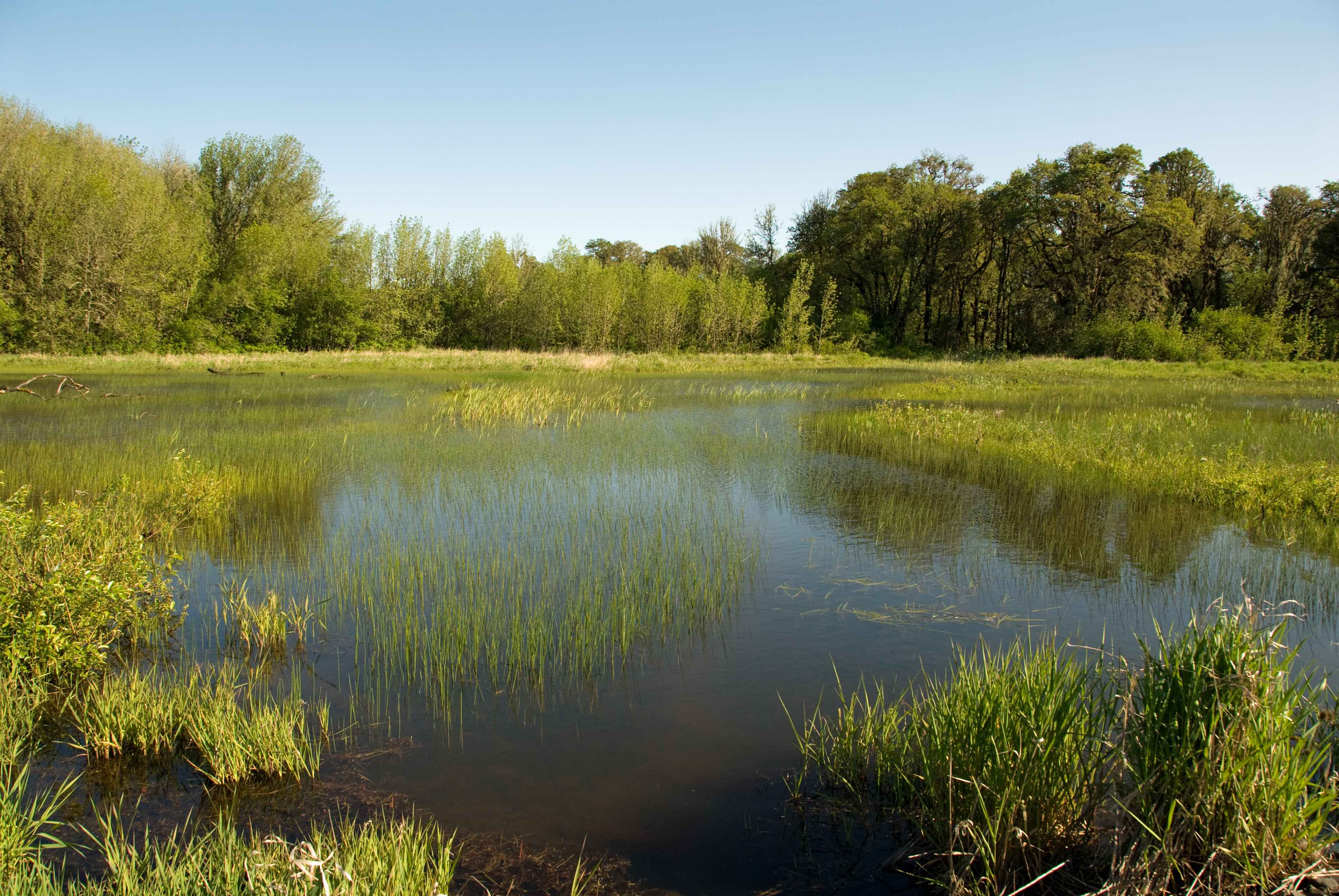
When a person thinks of a swamp, there could be a common negative association with the habitat: a gloomy, mushy, and dirty environment. However, swamps are actually vibrant ecosystems supporting a variety of plants and animals and are essential for the overall wellbeing of the Earth as well. They can be a great are to learn more about how animals and plants interact each other, appreciate the beauty of nature, or take some amazing photos. Swamps only cover around 5-8% of the total globes area so a opportunity to explore one should not be wasted.
What is a Swamp?
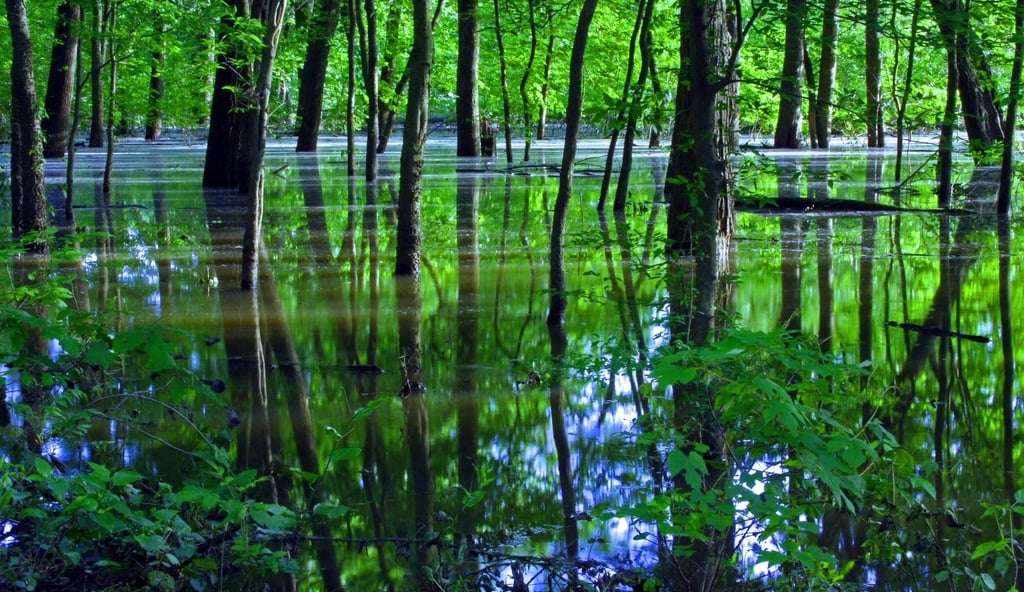
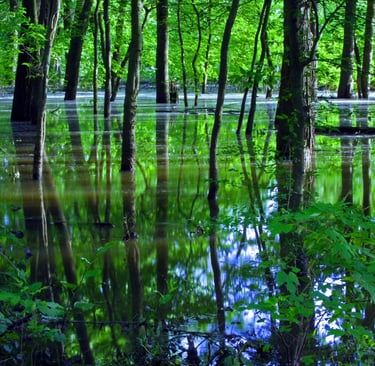
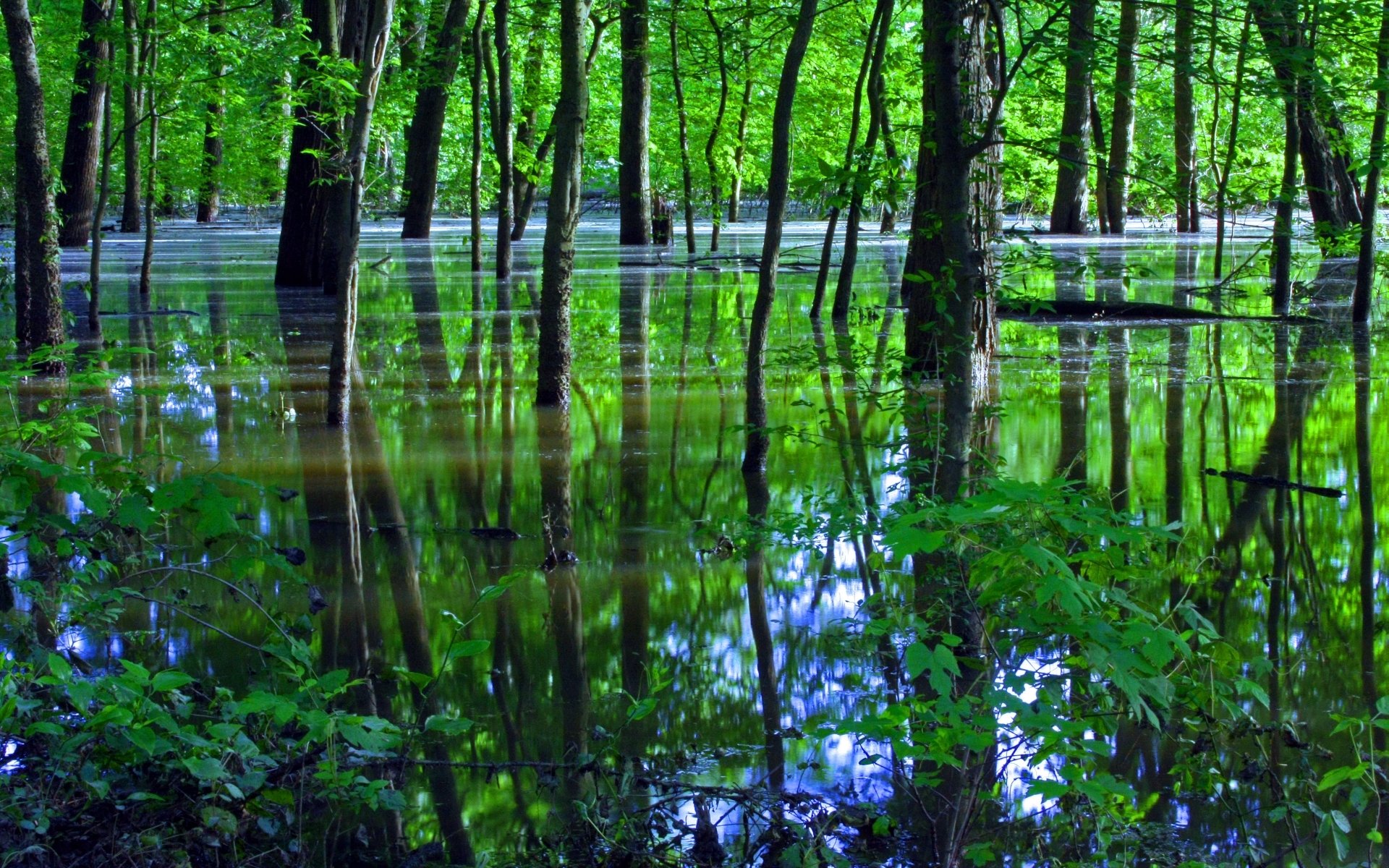
A swamp can be classified by any area of land that is permanently or seasonally saturated throughout the whole year, in simple terms, there is water in that area that covers the ground from being visible. However, different from a wetland, swamps are dominated by a lot trees and wooden shrubs while a wetland is a general term for an area often covered by water. As a result of providing this unique habitat, there is also a lot of wildlife that find living in swamps ideal. Swamps can form around many different places like rivers, lakes, and costal areas and can come in all sizes. Depending on the area it forms around, some swamps have freshwater while the other type of swamps have salt water. Typically, swamps that form from coastlines are saltwater while swamps that form from rivers and freshwater lakes are clearly freshwater swamps.
Why some plants and animals choose to live in swamps
One reason why animals choose to live in swamps is simply because they have adaptations that allow them to thrive in the flooding conditions of the ecosystem. Waterproof fur is a common adaptation in animals like beavers and otters. Like people, having wet skin or hair especially in cold weather can easily result in sickness and being wet can decrease the animal's movement ability. Swamps are also full of harmful bacteria in the water and having waterproof fur can decrease the chance of long term exposure and high quantities of bacteria on their bodies. Another adaptation some animals have made is webbed feet. Again, animals like beavers have this adaptation and this foot shape allows the animals to swim quicker to avoid predators and catch prey faster. If an animal was not able to swim fast, obviously it would not succeed in a swamp like environment. Many of the trees in swamps have developed aerial roots which allow the trees to access air and suck in nutrients and oxygen as the water in swamps is often low in oxygen and therefore prohibits the plants ability to respirate. Swamps offer a lot of benefits for animals as long as they have made the right adaptations as they provide abundant food sources, tree shelter from predators and a breeding area for some animals.
Human Impact on Swamps
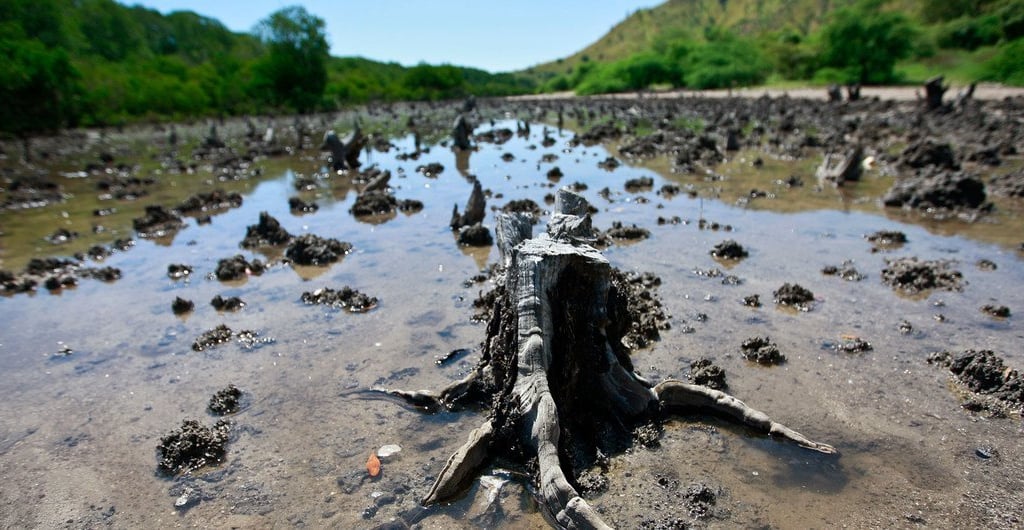
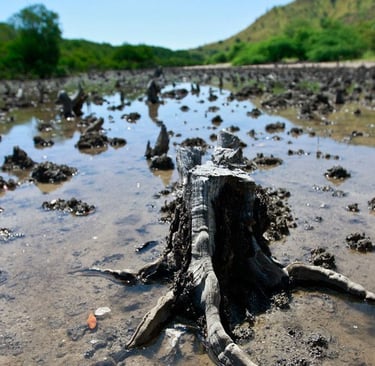
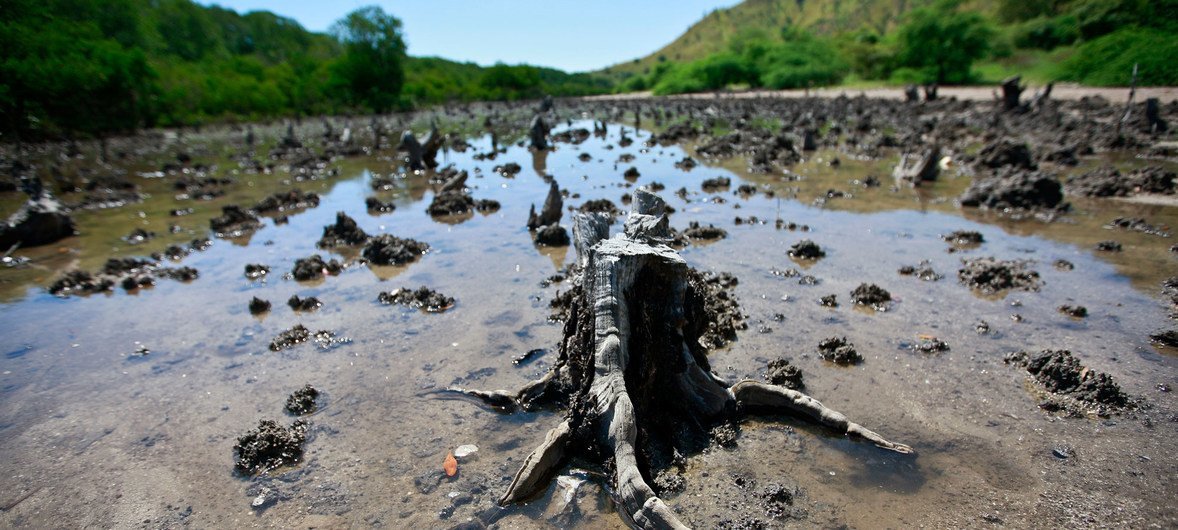
Human actions have significantly harmed swamp habitats. One of the most common ways humans are hurting swamps is by destroying them for farming and urban development. Pollution is another easy way to quickly damage habitats as the animals and plants are exposed to substances that are deadly but aren't able to always realize their waters contain pollutants. Humans have also previously introduced a lot of invasive species into habitats that beat the local animals and plants in terms of food which continues to expand invasive populations but makes indigenous ones suffer. Lastly, global warming which is mainly a result of humans burning greenhouse gases is affecting the water temperatures and altering water levels and rain fall patterns in swamps. Despite all this damage, people can still work to reverse the damage but action has to be quick before to many swamps are destroyed and it is to late.