Discover the Magic of Bioluminescence at Night
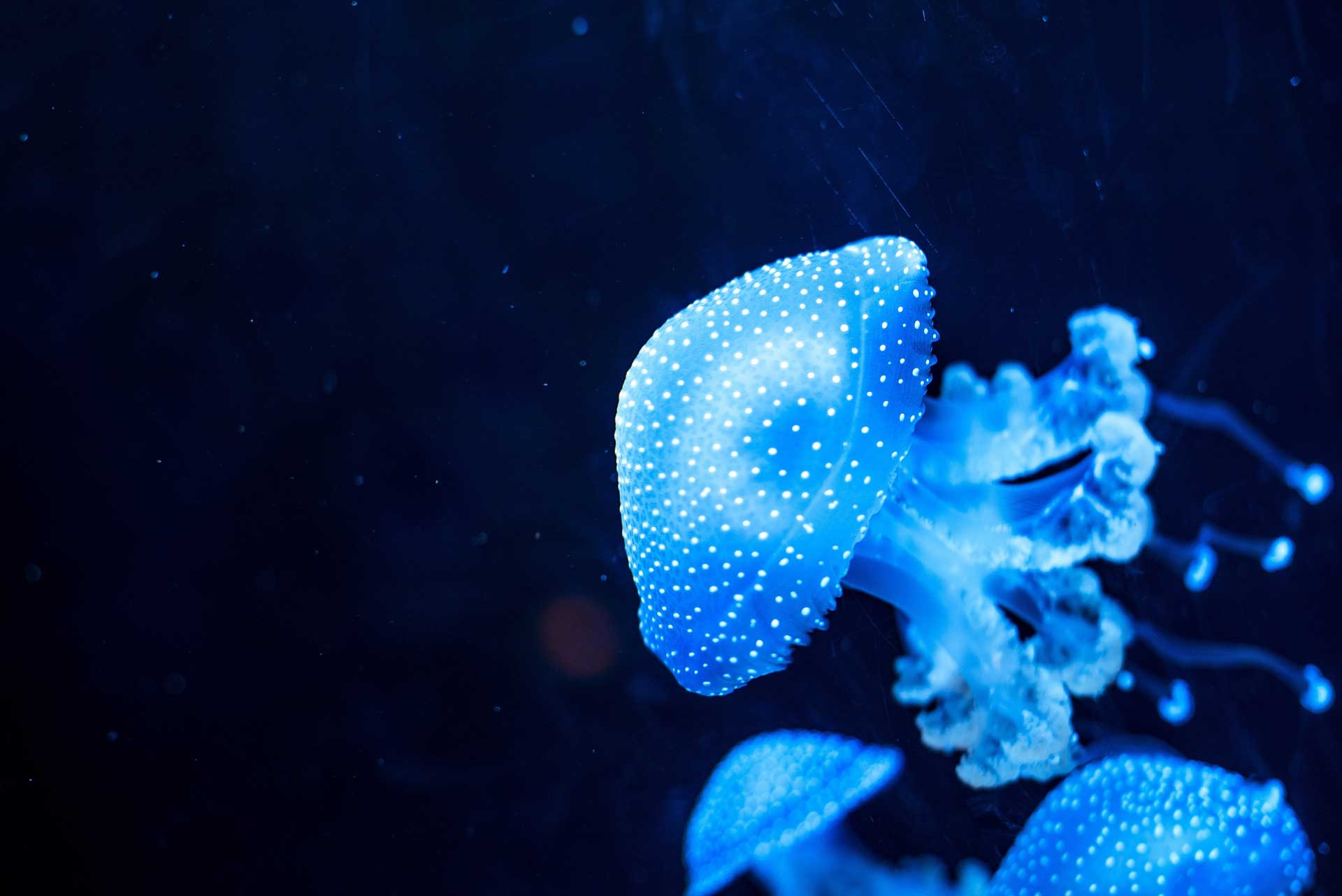
Experience the enchanting phenomenon of bioluminescence, where the ocean glows and sparkles at night. Learn about the marine organisms, like plankton and jellyfish, that create this magical light through natural chemical reactions.
ENVIRONMENTAL ISSUES
Danny Xu
11/28/20252 min read
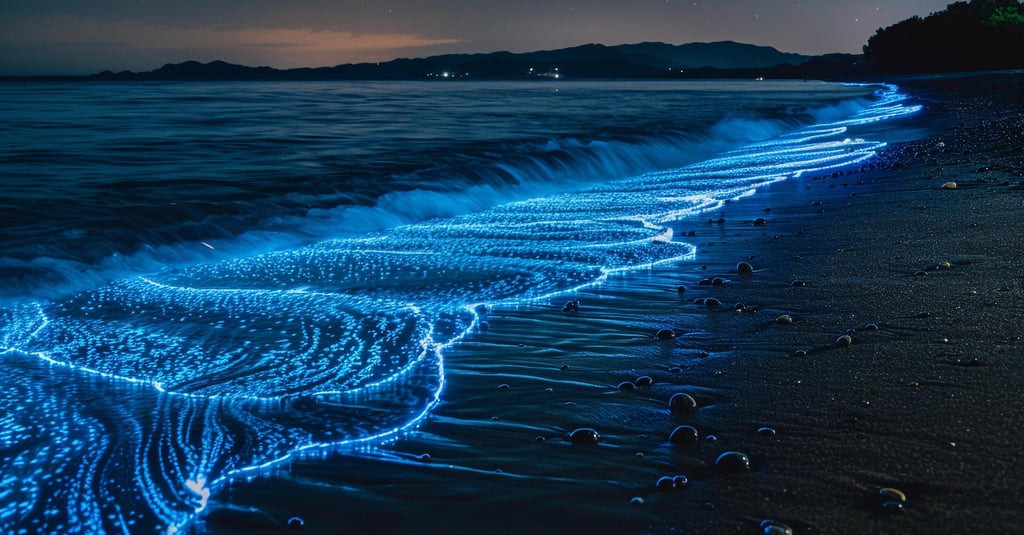
Have you ever seen the shoreline at a beach sparkle and magically glow at night? This phenomenon may seem supernatural but it is actually a product of nature known as bioluminescence.
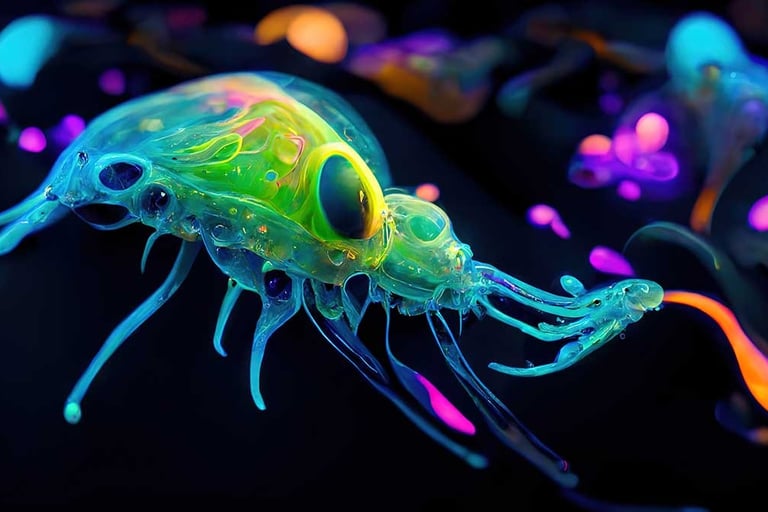
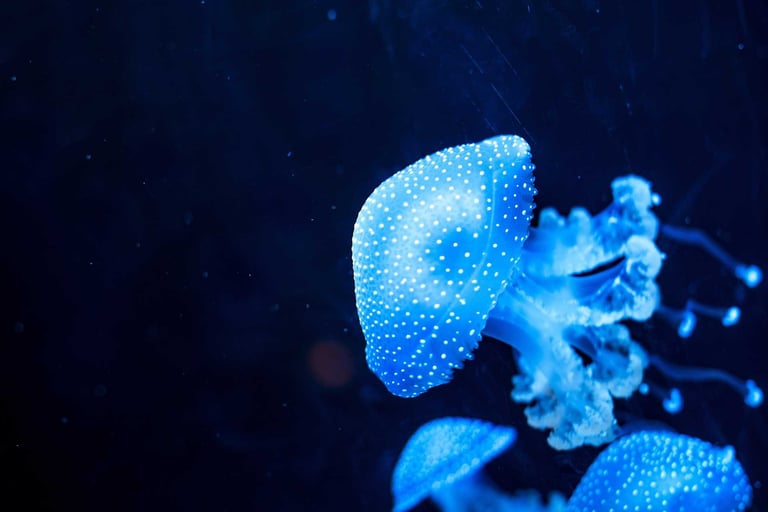
Bioluminescence is the glow/light that is produced in the ocean from a chemical reaction within the bodies of living organisms in the water. Some examples of these organisms are jellyfish, marine plankton, deep sea fish and krill. A element known as luciferin is present in bioluminescence organisms and this molecule is what produces the light. When luciferin mixes with oxygen stored in the organisms body, an enzyme known as luciferase initiates the reaction and the blue glow is produced across the ocean water.
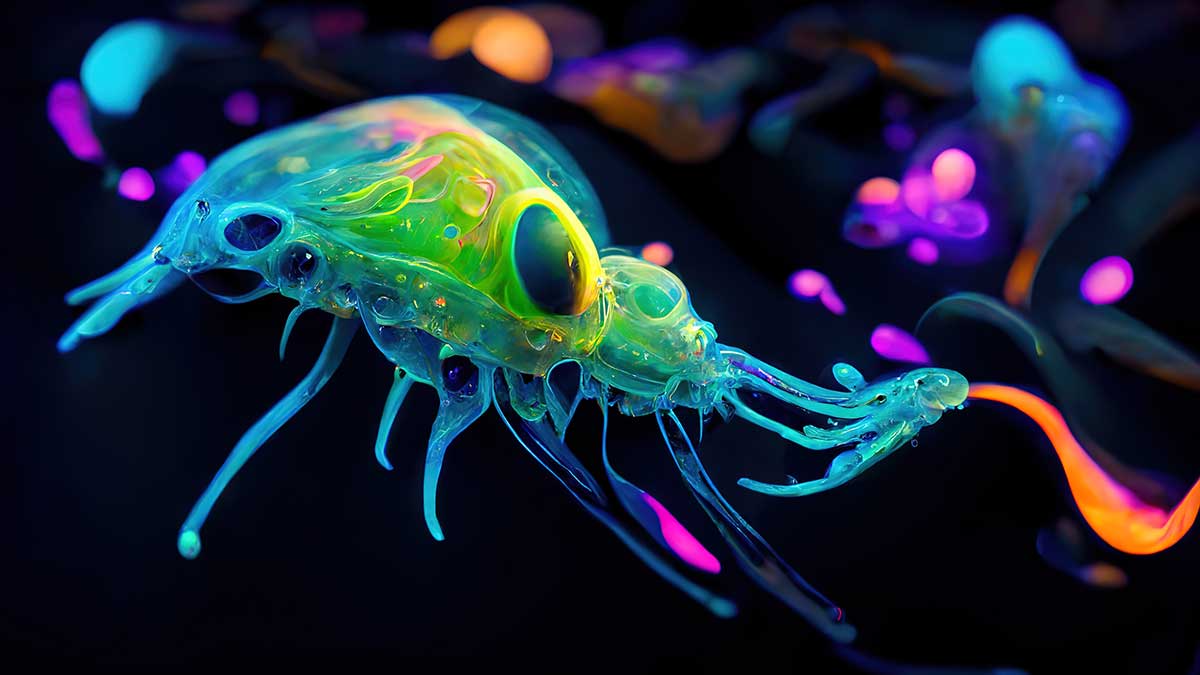
Most commonly closer to the shore, microscopic plankton are the animals responsible for producing the ocean's blue glow. When these tiny plankton are very sensitive to movement so occurrences like crashing waves, a boat driving to shore, or even small fish causing disturbances in the water, can all force the plankton to glow. Scientists commonly believe that this glow for the plankton is used as a defensive mechanism to either scare away predators or attract larger animals to scare away the predator.
Deeper in the ocean, jellyfish and deep sea fish can use this light as camouflage, hunt, and signal mates. However, since it is deep, people usually do not see this glow happen endless they are able to dive deep into the ocean by using something like a submarine.

The beauty of bioluminescence is also decreasing due to factors like global warming and water pollution. Many pollutants are harmful to animals like plankton and by killing them, the effect is also less common. Pollutants like oil and sewage also weaken the plankton even if it does not immediately kill them which also limits their ability to have the energy to produce light. Plankton are also sensitive to stable water temperatures so when global warming constantly heats up the ocean, this stresses out the small creatures and inhibits the plankton's success rate of reproducing into greater amounts then in the past.